

Hurricane Preparedness: 5 Reasons You Need an Emergency Fund
8/14/2025 - By Susan Luca - SouthState Stories and Insights
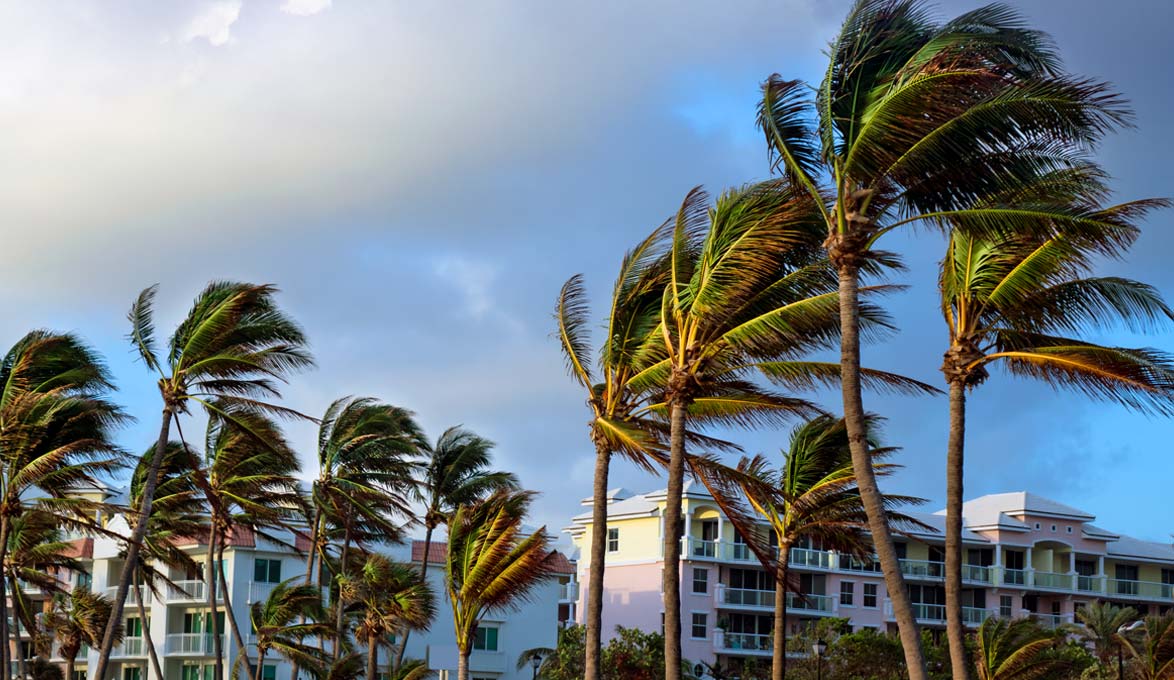
If you live in an area at risk for hurricanes, you know the drill: prepare your hurricane kit, be familiar with your evacuation route, and secure your belongings. You try to plan for the unexpected by having supplies on hand in the event you must go a few days without power or running water. While most people focus their preparation on having flashlights, batteries, canned goods and bottled water, are you also ensuring you have your finances in order? While those physical supplies are crucial, financial preparedness is just as important. Do you have a plan to pay for the potential evacuation or damage that could come your way? If you don’t, you could be putting yourself, your home, and family at risk. Having an emergency fund in place can make a critical difference in how well you weather the storm, both physically and financially.
Why an Emergency Fund Belongs in Your Hurricane Kit
An emergency fund is a key part of any solid financial plan. It is also a critical component for recovering more quickly from the unexpected expenses a hurricane can bring. From temporary lodging and home repairs to replacing essentials and covering insurance deductibles, these funds help you manage immediate needs without relying on high-interest credit or loans.1. Evacuation
In the event of a mandatory evacuation, you may have to leave with little notice. Having an emergency fund allows you to cover immediate transportation costs such as fuel or car rentals and lodging expenses like hotels or short-term rentals. Without dedicated savings on hand, you may find yourself in a difficult situation, unable to cover the expense of safely relocating when necessary.2. Loss of Income
Storms can disrupt more than just power lines. They can interfere with your livelihood. It’s possible that your work and income could become interrupted before, during, or after a hurricane. Businesses often shut down for days or weeks, and if you're self-employed or in a storm-impacted industry, that could mean a sudden loss of income. Your emergency fund allows you to continue paying for essentials like food, utilities, medications, and fuel without added stress.3. Home Repairs and Clean Up
Even with homeowner’s or renter’s insurance, you’ll likely have out-of-pocket expenses. Your emergency fund can help cover your insurance deductible, allowing you to get repairs started more quickly. Smaller damages like fixing a broken window, replacing a fence, or removing debris from your yard, may not reach the amount needed to meet your deductible. The money that you have set aside in your emergency fund will give you the means to take care of them without delay.4. Temporary Housing
If your home is uninhabitable due to flooding, structural damage, or loss of power, you may need to seek temporary housing. While some insurance policies include loss-of-use coverage, it may not be accessible immediately or may not cover everything. Your emergency fund allows you to book alternative lodging, buy replacement clothing and supplies, and maintain some level of comfort during a difficult time.5. High Interest Debt
In the aftermath of a storm, relying on credit cards or other loans to cover expenses can lead to long-term financial strain. These high-interest debts can take months or even years to pay off, especially if your income has also taken a hit. Having cash set aside in an emergency fund gives you the flexibility and confidence to pay for what you need, when you need it.Where Should You Keep Your Emergency Fund?
During a hurricane, quick access to your emergency fund can be critical. It’s also important that this fund is kept separate from other bank accounts to avoid accidentally spending it in advance of any emergency needs. This can be accomplished by setting up a separate personal savings account or a higher interest-earning money market account. This dedicated emergency fund ensures you’re financially ready for any unexpected expenses caused by the storm.While this emergency fund can make the difference in navigating the financial challenges brought by a hurricane, you should also be prepared with enough cash on hand to cover several days of basic needs like food, gas, and supplies. Cash will be essential when power outages or network failures disable electronic payment systems. Having available cash offers peace of mind if you experience interruptions with accessing bank services or certain types of payment methods.
Digital tools can also provide flexibility during an emergency. Online and mobile banking apps allow you to manage your finances even if you can't reach an actual bank location. Additionally, setting up a digital wallet on your smartphone ensures you can still make purchases if your physical cards are lost or damaged. Being financially prepared on multiple fronts can make a significant difference during and after a hurricane.